Well Water Insights | Resources


    Understanding Failed Bacteria Results in Real Estate Well Water Testing   Bacteria results are one of the most common reasons private well water tests fail during real estate transactions. While these findings often raise concern for buy
Mike Baritell Mike Baritell

Bacteria results are one of the most common reasons private well water tests fail during real estate transactions. While these findings often raise concern for buyers, sellers, and lenders, a failed bacteria result does not automatically mean a well is unsafe, defective, or permanently contaminated. In many cases, bacterial findings are temporary or situational and can be corrected without long-term impact to the well system.

Bacterial indicators such as Total Coliform are used to identify potential pathways for contamination rather than to confirm a permanent health condition. Positive results may occur due to recent heavy rainfall, flooding, seasonal groundwater changes, extended periods of low water use, or minor wellhead and casing vulnerabilities. These conditions are common in private well systems and do not necessarily reflect ongoing water quality problems.

From a lender and underwriting perspective, a failed bacteria result is treated as a correctable condition rather than a deal-ending defect. Loan programs such as VA, FHA, USDA, and many conventional loans typically require documented corrective action followed by retesting. Corrective action may include well disinfection, system flushing, or addressing minor sanitary issues at the wellhead.

After corrective action is completed, a follow-up water sample is collected and analyzed by a certified laboratory to verify current conditions. Certification is issued only when retest results meet applicable criteria. This process allows underwriting conditions to be cleared and transactions to proceed toward settlement.

Understanding how bacteria results are interpreted—and how lenders address them—helps reduce unnecessary delays and confusion during real estate closings. Failed bacteria results are one of the most manageable well water issues encountered in real estate transactions, and when handled properly, they rarely prevent a successful closing.

Why Bacteria Shows Up in Private Well Water Tests

Bacteria showing up in a private well water test is common during real estate transactions and does not automatically mean the well is unsafe or permanently contaminated. In most cases, bacterial findings are related to environmental conditions, well system design, or temporary sanitary issues rather than the groundwater source itself.

Surface Water Intrusion
Heavy rainfall, flooding, or saturated soil conditions can allow surface water to enter a well system through small gaps in the well cap, casing, or grout seal. This is one of the most frequent causes of bacteria appearing in well water test results.

Wellhead and Casing Vulnerabilities
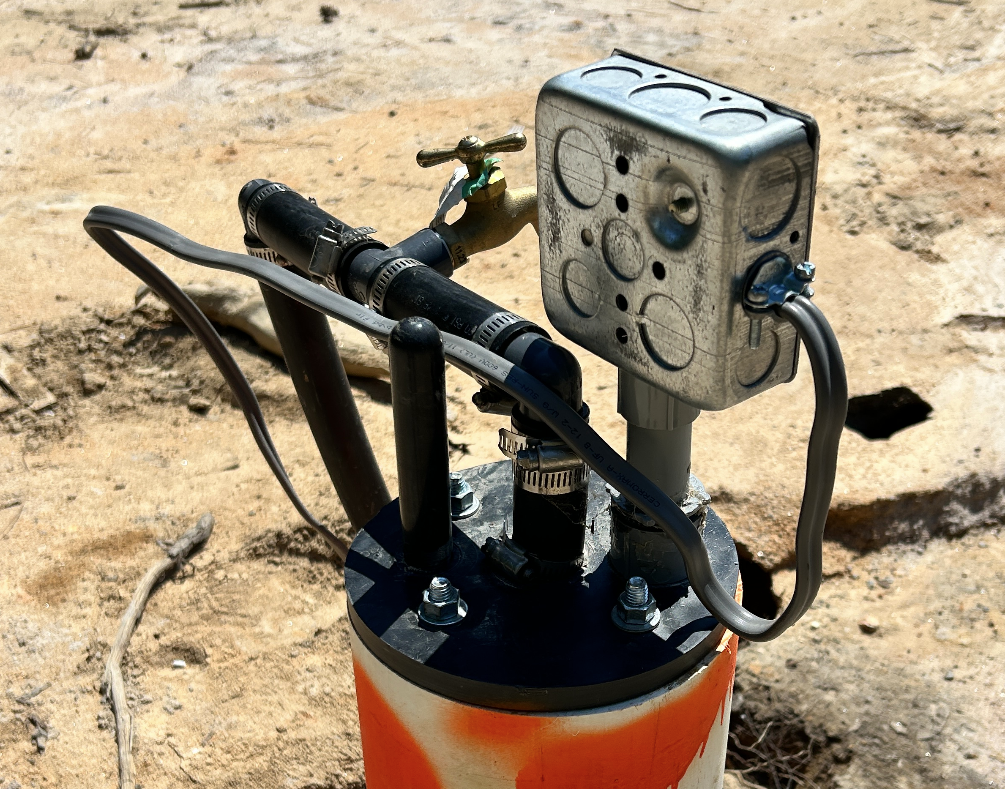
Improper well cap installation, aging seals, cracked casings, or low casing height can create pathways for bacteria to enter the well. These issues are often minor and correctable and do not indicate a failing well.

Periods of Low or No Water Use
Extended vacancy, limited water usage, or seasonal homes can allow bacteria to persist within the well or plumbing system. When water sits unused, normal flushing does not occur, increasing the likelihood of a positive bacteria result during testing.

Plumbing and Distribution Factors
Bacteria may originate within the plumbing system rather than the well itself. Dead-end piping, biofilm buildup, or fixtures that are rarely used can contribute to bacterial presence at the sampling point.

Environmental and Seasonal Conditions
Groundwater conditions change seasonally. Temperature shifts, groundwater recharge, and nearby land use can influence bacterial detection, especially in shallow or older wells.

Because of these variables, bacteria results are treated by lenders as a correctable condition, not a permanent defect. Disinfection, corrective action, and follow-up testing are commonly used to verify current conditions and support real estate closings.

Are Bacteria Results Permanent?

In most cases, no. Many bacteria detections are intermittent or seasonal. With proper disinfection, correction of wellhead deficiencies, and follow-up testing, results often return to passing levels. A failed result typically indicates a protection or maintenance issue rather than a failing well.

Are Bacteria Results Permanent in Private Well Water Tests?

No. Bacteria results in private well water tests are not typically permanent. In real estate transactions, positive bacteria findings are most often temporary or situational and do not mean the well is unsafe, defective, or permanently contaminated.

Bacterial indicators such as Total Coliform are used to identify possible pathways for contamination, not to confirm a constant health condition. These results can change due to environmental factors like heavy rainfall, flooding, seasonal groundwater shifts, or surface water intrusion. Periods of low water use, extended vacancy, or recent plumbing disturbances can also influence test outcomes.

From a lender and underwriting perspective, bacterial results are treated as a correctable condition, not a deal-ending defect. Loan programs such as VA, FHA, USDA, and many conventional loans typically require documented corrective action followed by retesting. Corrective action may include well disinfection, system flushing, or addressing minor wellhead or casing issues.

After corrective measures are completed, a follow-up water sample is collected and analyzed by a certified laboratory to verify current conditions. Certification is issued only when laboratory results meet applicable criteria. Many wells that initially show bacteria pass follow-up testing after proper corrective action.

Understanding that bacterial results are usually temporary helps reduce unnecessary concern for buyers, sellers, and lenders. When handled correctly, bacterial findings are one of the most manageable issues encountered during real estate well water testing and rarely prevent a successful closing.

Read More


   Reliable  real estate services  reduce risk, protect all parties, and keep deals moving forward. Using qualified professionals who understand real estate timelines and lender expectations is one of the easiest ways to avoid unnecessary de
Mike Baritell Mike Baritell

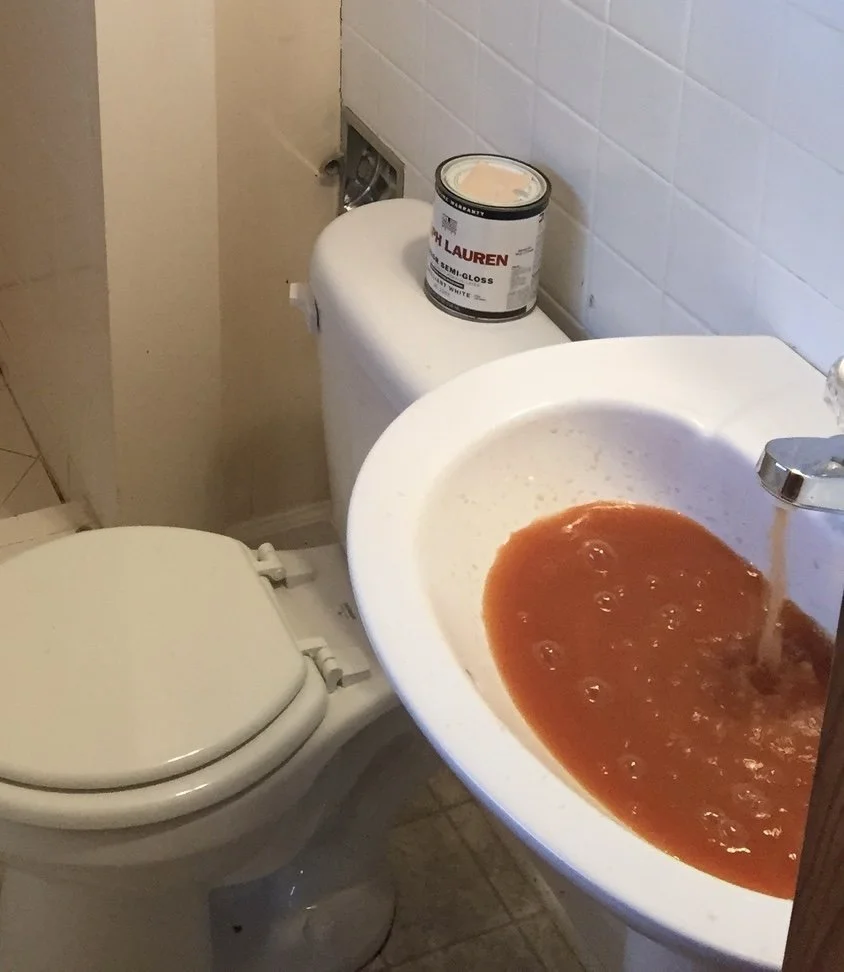
How Can Brown Water Pass EPA Standards?

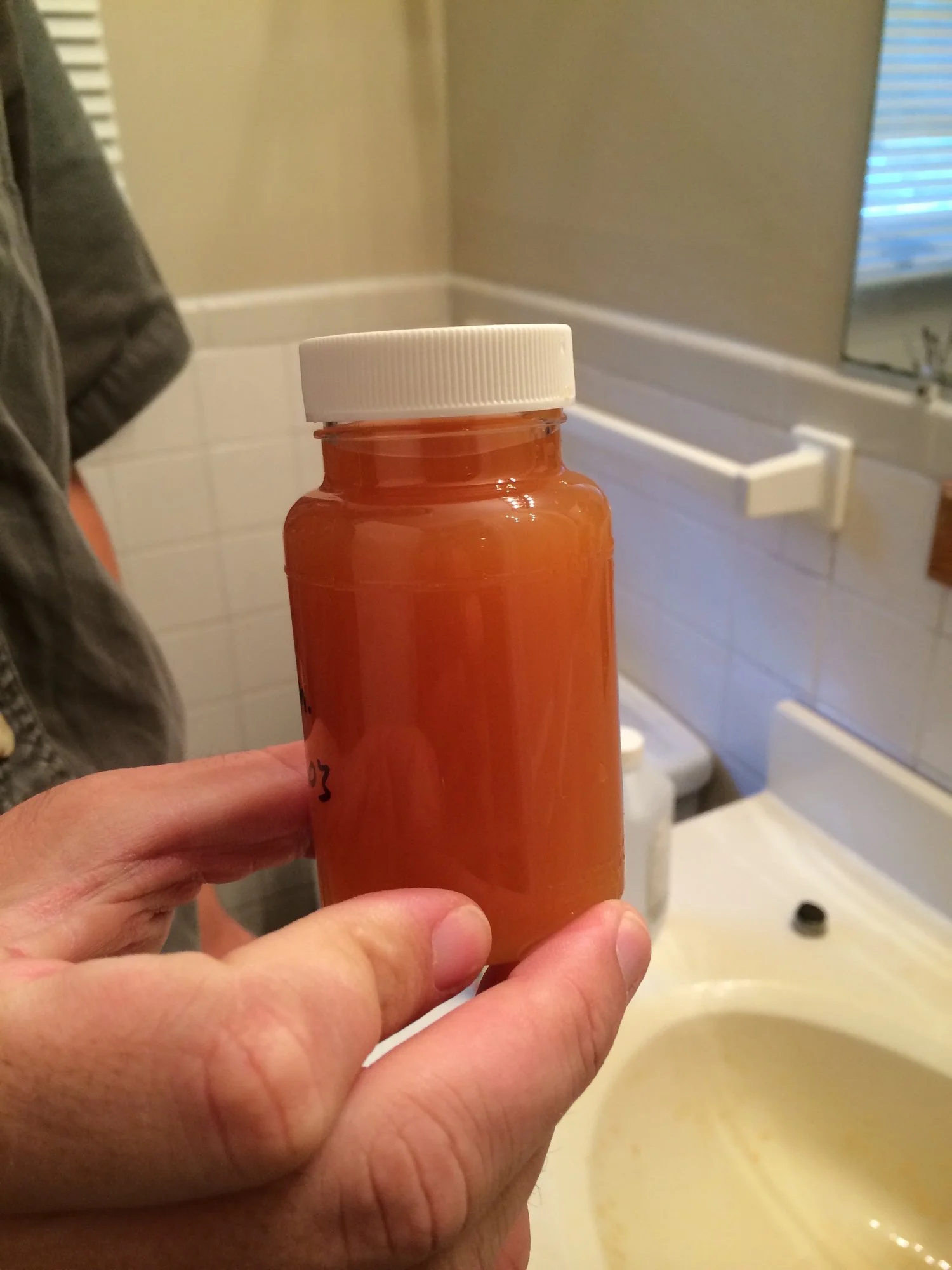
It sounds wrong, but it’s true: brown well water can pass EPA standards. The reason comes down to what EPA testing actually measures—and what it doesn’t.

EPA Standards Focus on Health, Not Appearance

EPA drinking water standards (used as the baseline for private well testing) are designed to protect human health, not aesthetics. When a well water sample is taken, the lab is primarily testing for contaminants that cause illness, not color or clarity.

For most real estate and safety testing, the focus is on:

  • Total Coliform bacteria

  • E. coli

  • Sometimes nitrates, depending on lender or local requirements

If those results are compliant, the water can pass EPA-based testing, even if it looks brown.

What Causes Brown Well Water

Brown or discolored well water is usually caused by:

  • Iron or manganese

  • Sediment disturbed in the well or plumbing

  • Aging pipes or pressure tank issues

  • Recent well use after inactivity

These issues affect appearance and taste, not necessarily health. Iron and manganese are considered secondary contaminants, meaning they are not health-based fail parameters under EPA guidance.

What Will NOT Fail an EPA-Based Test

Brown water alone does not fail a test. Cloudiness, staining, or metallic color may look alarming, but if bacteria are absent and required parameters are within limits, the sample passes.

This is why homeowners are often shocked when:

  • Brown water passes lab testing

  • Clear water fails due to bacteria

  • Appearance and results don’t match expectations

Why Proper Sampling Matters

How the well water sample is taken matters more than how the water looks. Certified sampling procedures prevent false positives and ensure results are accepted by lenders and health departments. Improper sampling can cause a clean well to fail—or force retesting that delays real estate transactions.

Real Estate Reality

In real estate transactions, lenders rely on certified lab results, not visual inspection. A properly collected well water sample that meets EPA-based standards can be approved, even if the water is discolored at the tap.

Bottom Line

EPA standards measure safety, not looks. Brown well water can pass because iron, sediment, and discoloration are not health-based violations. Science—not appearance—determines whether a well passes.
Read More


   Real estate transactions move fast—and delays usually come from missing or incomplete services.  Professional real estate services  are not just add-ons; they are critical steps that protect buyers, sellers, agents, and lenders while keep
Mike Baritell Mike Baritell

It sounds wrong, but it’s true: brown well water can pass EPA standards. The reason comes down to what EPA testing actually measures—and what it doesn’t.

EPA Standards Focus on Health, Not Appearance

EPA drinking water standards (used as the baseline for private well testing) are designed to protect human health, not aesthetics. When a well water sample is taken, the lab is primarily testing for contaminants that cause illness, not color or clarity.

Bottom Line

EPA standards measure safety, not looks. Brown well water can pass because iron, sediment, and discoloration are not health-based violations. Science—not appearance—determines whether a well passes.

Read More


         E. coli      Coliform       Nitrites       Nitrates      Lead       Certified EPA laboratory analysis      Lender-ready documentation for Real Estate.     DIY test kits or samples collected by unqualified parties are rejected by und
Mike Baritell Mike Baritell

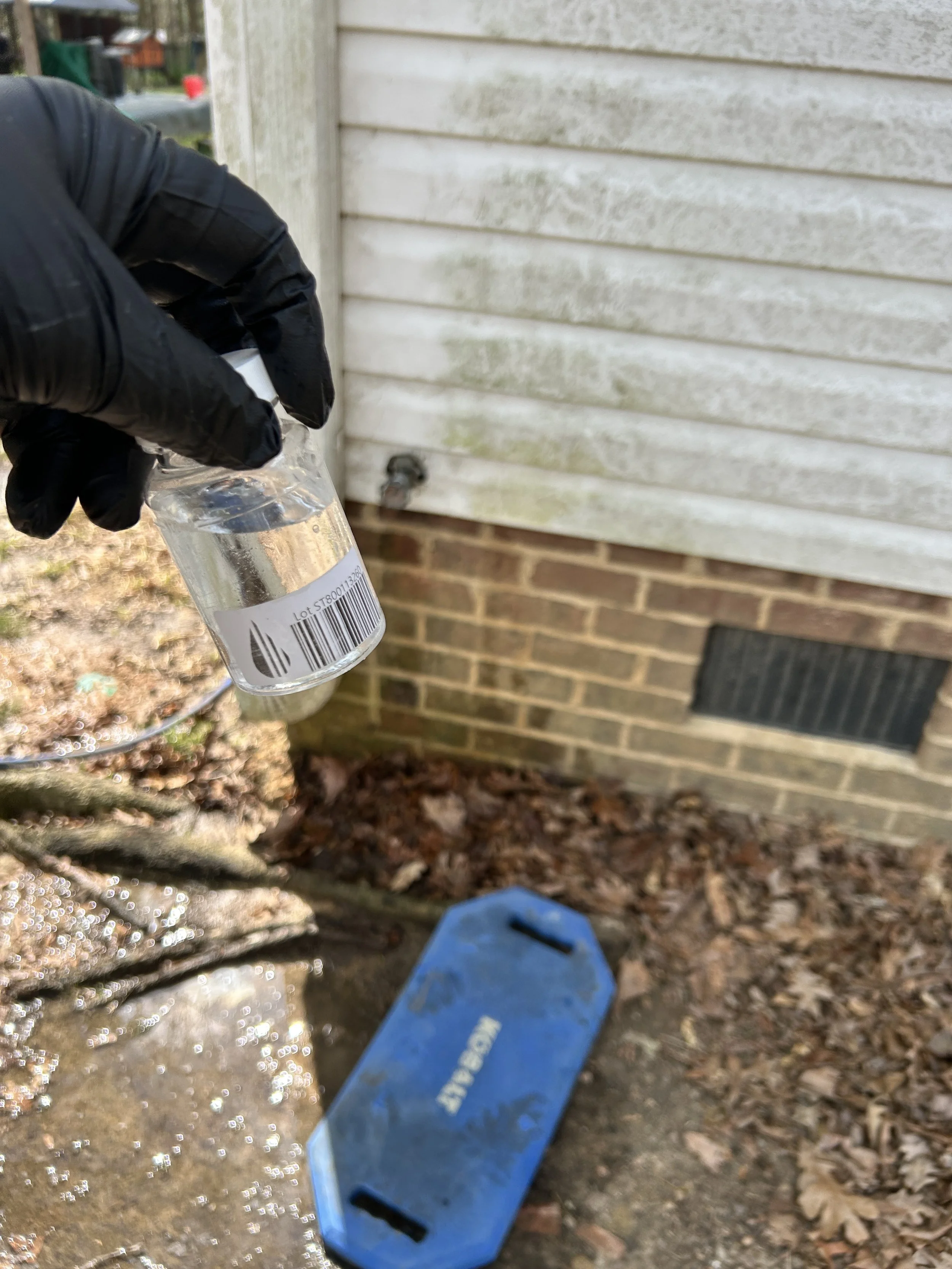
For real estate transactions, well water samples must be collected by a qualified water testing provider using proper procedures. Allowing a home inspector or homeowner to collect the sample is a common mistake and is often flagged by lenders as non-compliant.

Proper sampling, chain-of-custody, and documentation are just as important as the lab results themselves.

Timing Matters in Real Estate Closings

Scheduling well water testing early in the transaction helps avoid delays. Many buyers and agents wait until underwriting, only to discover that testing must be redone due to improper collection or missing documentation.

Professional providers often offer next-day service and pay-at-closing options, making it easier to align testing with inspection windows and closing timelines.
Read More


    Well water testing for real estate transactions  is a critical step when a property is served by a private well. Unlike public water systems, private wells are not regulated or routinely monitored, which is why lenders require  certified
Mike Baritell Mike Baritell

Well water testing is a required step in real estate transactions involving private wells. Certified testing verifies water safety, meets lender requirements, and helps prevent closing delays caused by improper sampling or missing documentation.

Real-Estate Focused

Well water testing for real estate ensures a private well meets basic health standards at the time of sale. Certified lab results and proper documentation are required by lenders and must be completed by a qualified water testing provider.

Read More


   Real Estate Loans: No Guesswork Allowed  For VA, FHA, and USDA loans, lenders require:    Certified lab results    Bacteria analysis (Total Coliform / E. coli)    Sometimes nitrate testing    Clear documentation showing compliance     Tes
Mike Baritell Mike Baritell

For VA, FHA, and USDA loans, lenders require certified lab results, including bacteria testing for Total Coliform and E. coli, and in some cases nitrate analysis. Proper documentation showing compliance is mandatory.
DIY test strips are not accepted and can result in loan denial. Period.

Bottom Line

DIY test strips are fine for curiosity—but they do not protect your health, your family, or your real estate transaction. Only professional, certified well water testing counts when it matters.
Read More


   Well Water Testing: Why Test Strips Aren’t Enough for Your Private Well  If you rely on a private well,  your water is your responsibility . Unlike city water, private wells are  not monitored by the government . That means no routine tes
Mike Baritell Mike Baritell

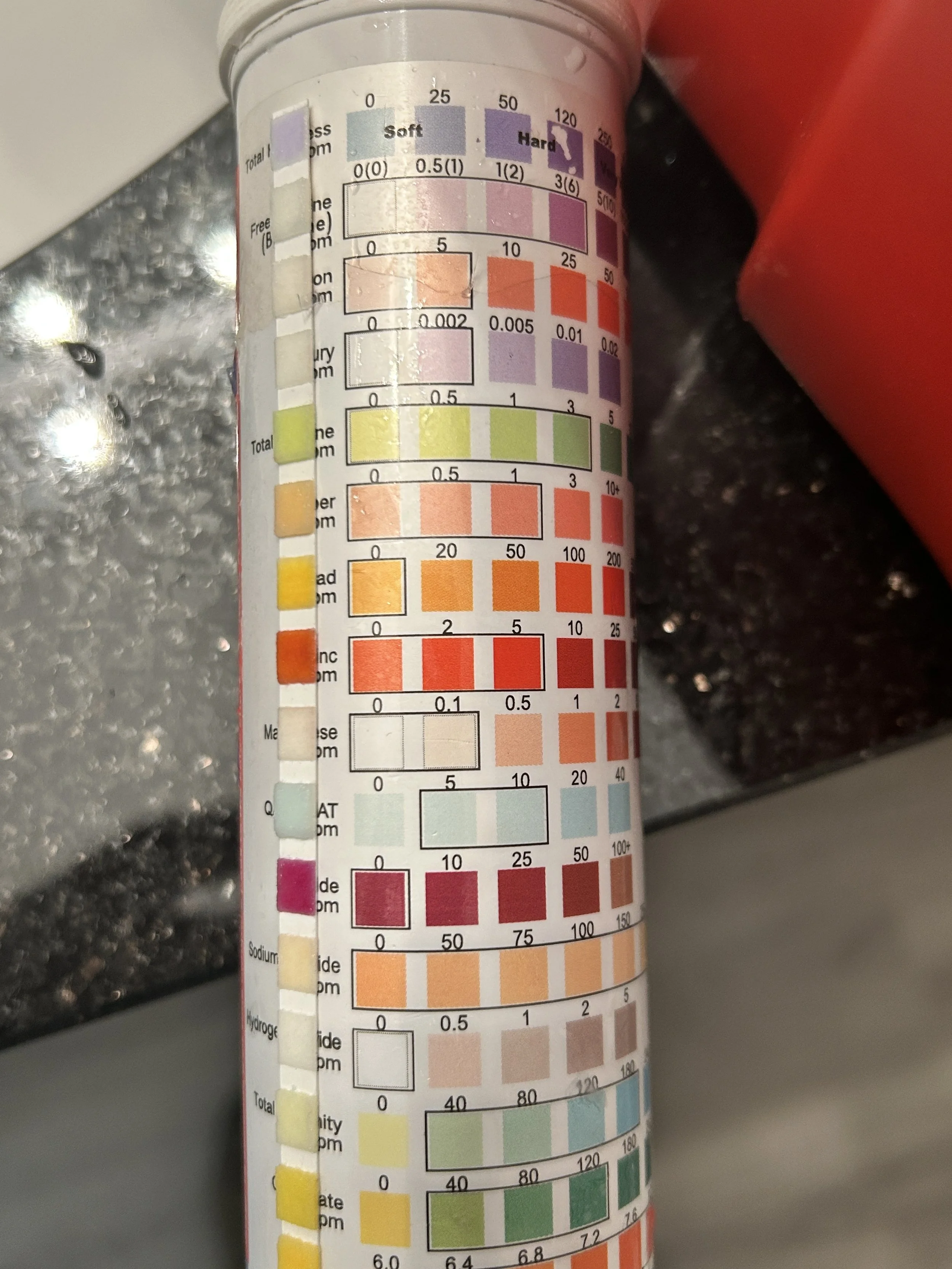
Well Water Testing: Why Test Strips Aren’t Enough for Your Private Well

If you rely on a private well, your water is your responsibility. Unlike city water, private wells are not monitored by the government. That means no routine testing, no automatic alerts, and no safety net if something goes wrong.

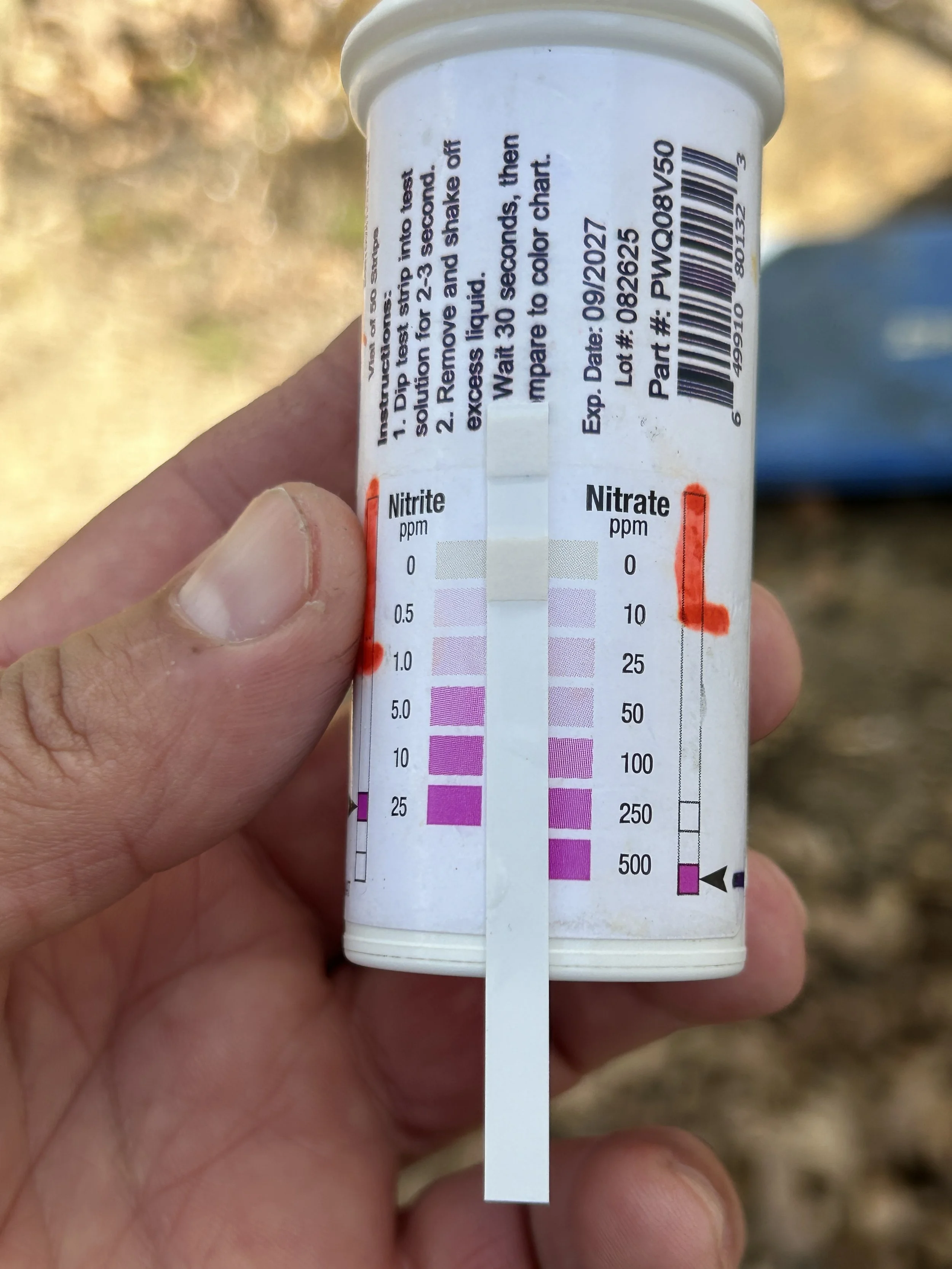
Many homeowners start with DIY test strips like the one shown above. They’re cheap, fast, and easy—but here’s the hard truth:

Test strips are screening tools, not proof your water is safe.

Read More


   Typical Timeline Breakdown    On-site sampling: same day    Lab analysis: typically 24–72 hours    Report delivery: immediately after results    Total turnaround is usually a few business days, depending on lab volume.  What Can Delay Res
Mike Baritell Mike Baritell

Read More


   VA loans require private well water testing to confirm the water supply is safe, functional, and compliant before a home sale can close. In North Carolina, failure to follow proper VA well water testing requirements is a common cause of d
Mike Baritell Mike Baritell

It All Begins Here

Read More


   FHA well water tests are rejected every day across North Carolina—and most of the time, the water itself is not the problem. Rejections usually happen because the test was performed incorrectly, documented poorly, or submitted in a format
Mike Baritell Mike Baritell

It All Begins Here

Read More


   How Pay-at-Closing Works  Testing is performed during the inspection period, and payment is collected at settlement as part of closing costs. Reports are coordinated with lenders and closing attorneys to ensure compliance.  When Pay-at-Cl
Mike Baritell Mike Baritell

It All Begins Here

Read More