Iron and Manganese Well Water Testing in North Carolina
Get measured results for iron and manganese in your private well water.
Well Water NC provides sample collection and laboratory testing coordination for homeowners in Raleigh, Wake County, and surrounding North Carolina communities. Ask about initial testing, follow-up sampling, or comparisons before and after treatment.
Document the concern. Confirm the testing.
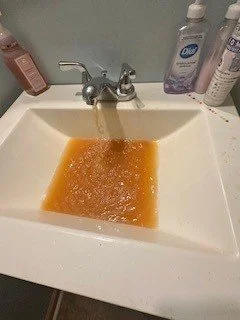
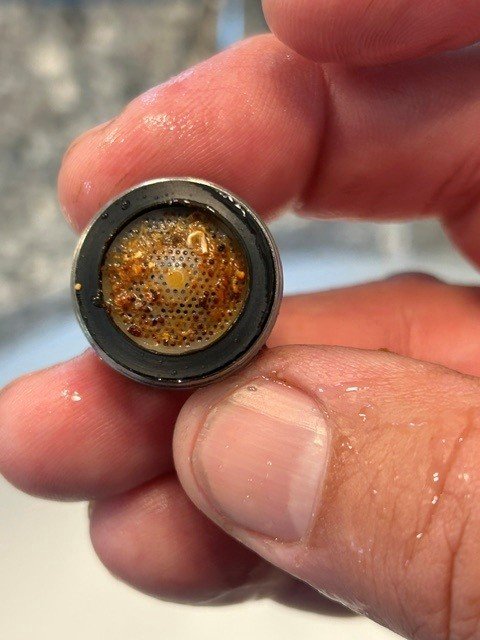
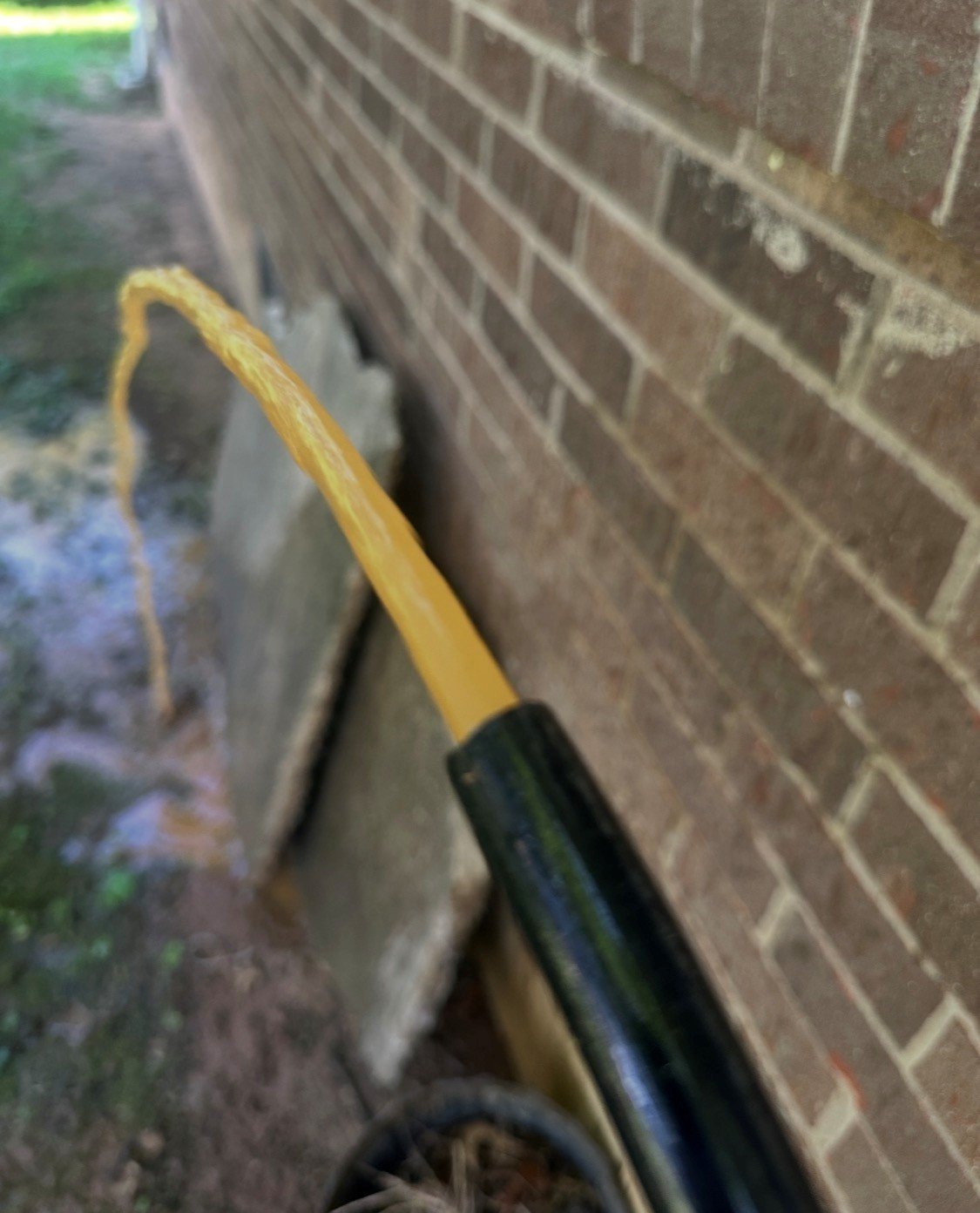
If you have noticed staining, particles, or a change in water color, tell us where and when it happens. Photos and previous reports can help document your concern, but appearance alone does not establish its cause.
Iron analysis
Request laboratory analysis for iron as a standalone parameter or with other selected tests. Your quote identifies the analysis and sampling locations included.
Manganese analysis
Request manganese testing separately or together with iron. We confirm the collection requirements and reporting scope before your appointment.
Tell us what you are seeing.
These details help us plan the sampling appointment:
- Whether the concern occurs at one faucet or throughout the home.
- Whether it affects cold water, hot water, or both.
- Whether the appearance changes after the water runs or sits.
- Whether particles or deposits are visible.
- The filters, softeners, or other treatment equipment installed.
- Recent well, plumbing, disinfection, or equipment work.
Share any previous laboratory report with its collection date, sampling location, and reported units.
Compare selected results before and after treatment.
If you want samples from both sides of a treatment system, tell us before scheduling. We confirm accessible collection points and quote each sample separately.
Before treatment
A sample from an appropriate point before treatment documents the selected parameters at that location and time.
After treatment
A sample after treatment documents the selected parameters in the water collected there. Comparisons should account for the sampling conditions.
How the service works.
- Send your information. Provide the address, water concerns, equipment details, and any previous results.
- Confirm your quote. We identify the selected analyses, sampling locations, preparation instructions, and price.
- Arrange collection. Property access and operating plumbing are required. Collection follows the laboratory’s requirements.
- Receive your report. Your laboratory report identifies the parameters analyzed, reported values, and units.
Common iron and manganese testing questions
Can you identify iron or manganese from a photo?
A photo documents appearance but does not confirm a concentration or establish the cause. Laboratory analysis provides results for the parameters ordered.
Does this include iron bacteria testing?
Iron analysis does not establish whether iron bacteria are present. If that is your concern, identify it when contacting us so we can confirm whether a suitable separate analysis is available.
Are hardness and other minerals included?
Only parameters listed in your confirmed quote are included. Ask about additional testing before collection.
Can you test more than one faucet?
Additional sampling locations can be discussed before booking. Each sample must be included in the collection plan and quote.
Will the report tell me which filter to buy?
The report provides findings for the selected parameters. Treatment selection may require additional water information and evaluation by a qualified treatment professional.
How quickly will results be available?
Expected timing is confirmed for your selected analysis. Laboratory acceptance, processing, weekends, and holidays can affect turnaround.
How much does testing cost?
Pricing depends on your address, selected analyses, and number of samples. Send your property details for a quote before service.
Request iron and manganese testing.
Send your address, preferred appointment date, water concerns, and treatment equipment details. We’ll confirm the scope, price, and availability.
Results apply to the sample, collection conditions, and parameters analyzed. Testing does not evaluate every possible contaminant, certify equipment condition, or guarantee future water quality.